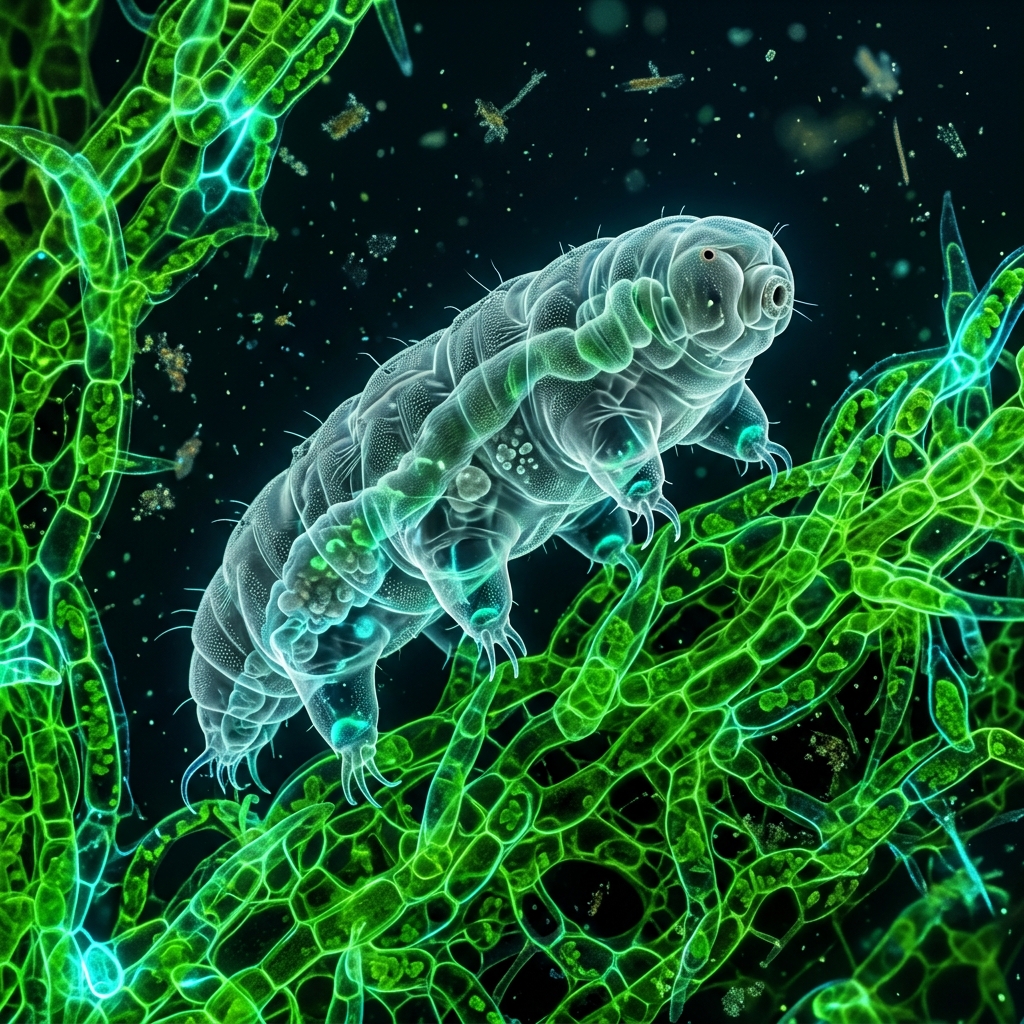
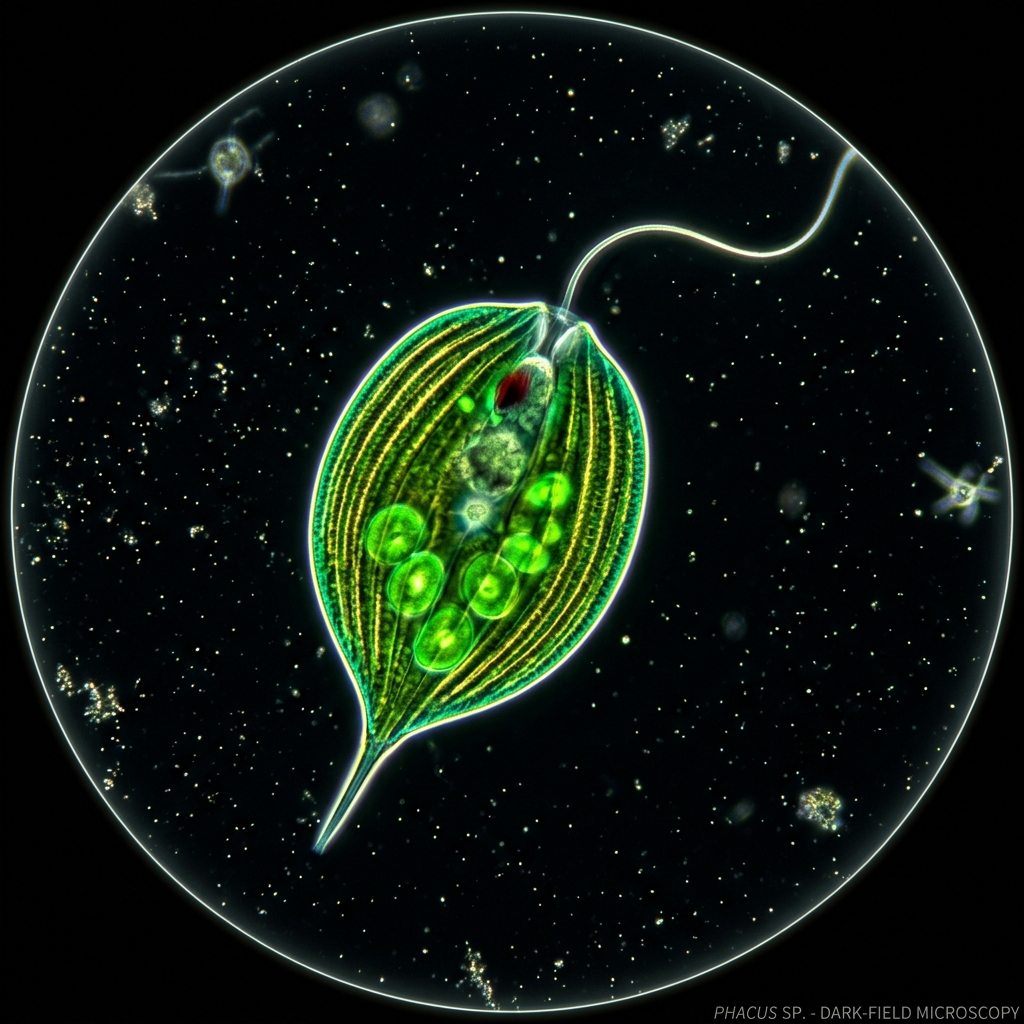
 Figure 1: Detailed image of the observed microorganism (*Image is for illustrative purposes only)
[!NOTE] **Note: All microorganism images used in this article are 3D CG illustrations.
“Phacus” (scientific name: Phacus) is a highly popular microscopic organism for observation under a microscope due to its unique shape and active ecology.
Ecology and Characteristics
This organism is commonly found around aquatic plants and soil detritus in freshwater, and it moves actively using cilia or flagella. The way its various intracellular organelles (such as food vacuoles and contractile vacuoles) expand and contract in real time demonstrates the exquisite complexity of life.
Observation and Culturing Tips
- Spread a thin layer of the collected muddy water onto a Petri dish and scan the microscope’s field of view.
- When provided with moderate light using fiber optics or an LED, species containing chloroplasts exhibit phototaxis, swimming toward the light source.
- When culturing, adding a tiny amount of an extremely dilute dry yeast solution once a week will prevent the water from becoming polluted, allowing you to maintain and observe the colony over the long term.
![[The Origin of Superfoods] Spirulina Culturing & Microscope Observation | How to Make Baking Soda Culture Water to Grow Spiral Cells](/images/spirulina.png)
![[The Giant Micro-Trumpet] Collecting the Glowing Blue Giant Single-Celled Stentor and Tips for Water Quality Maintenance](/images/stentor.png)