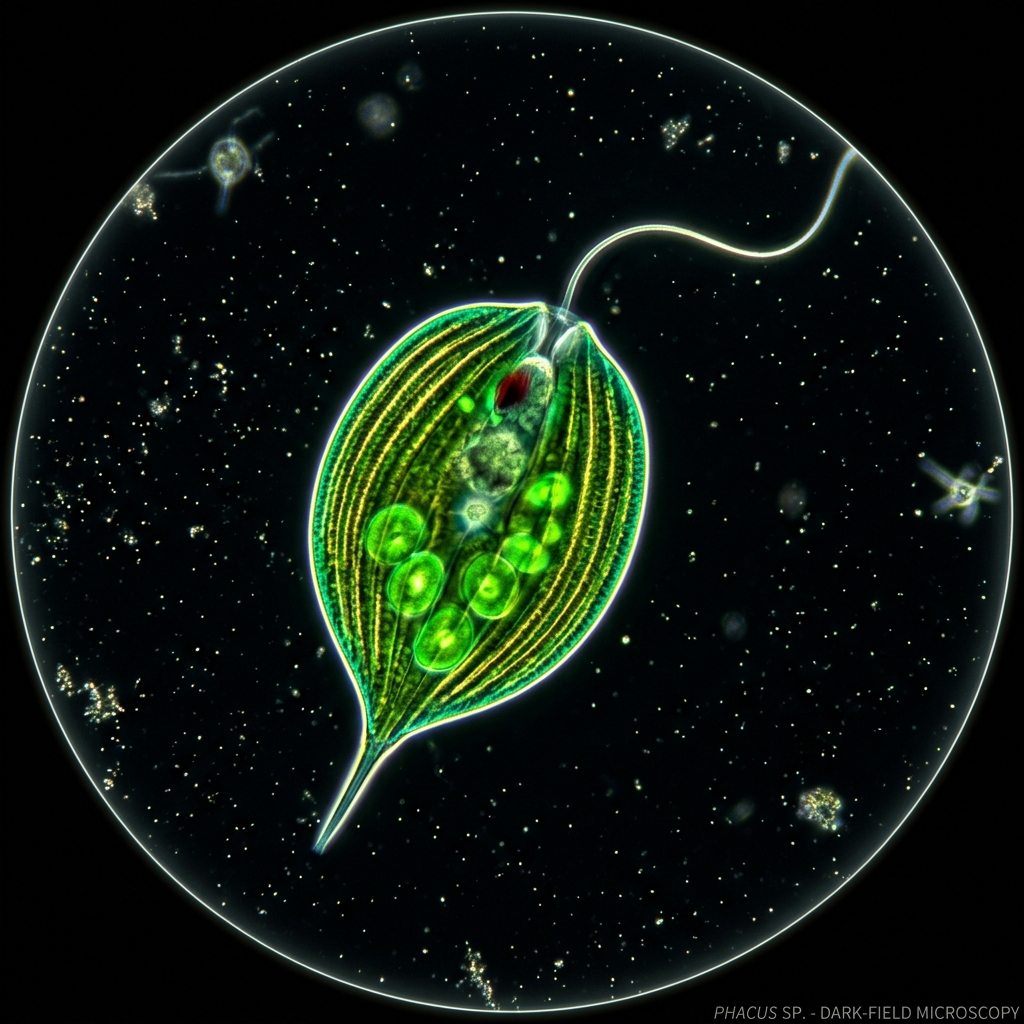
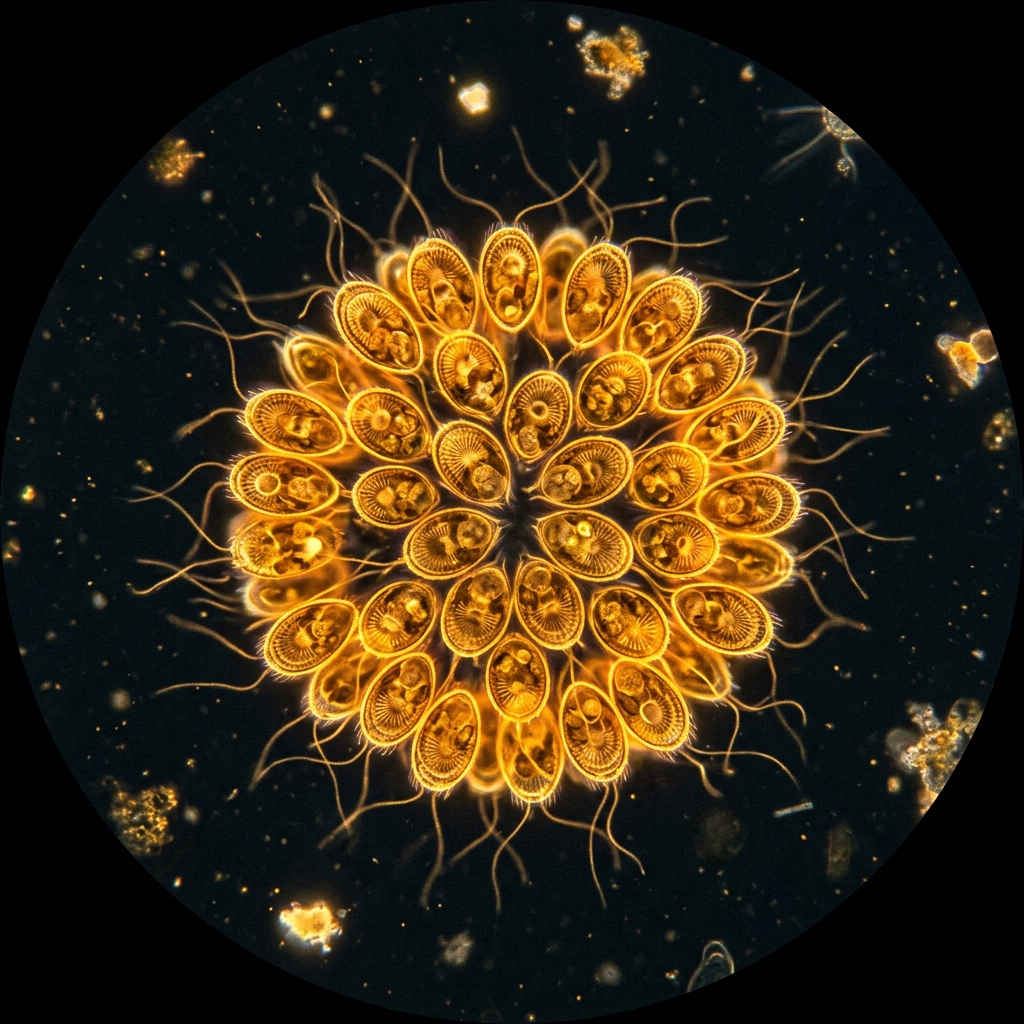
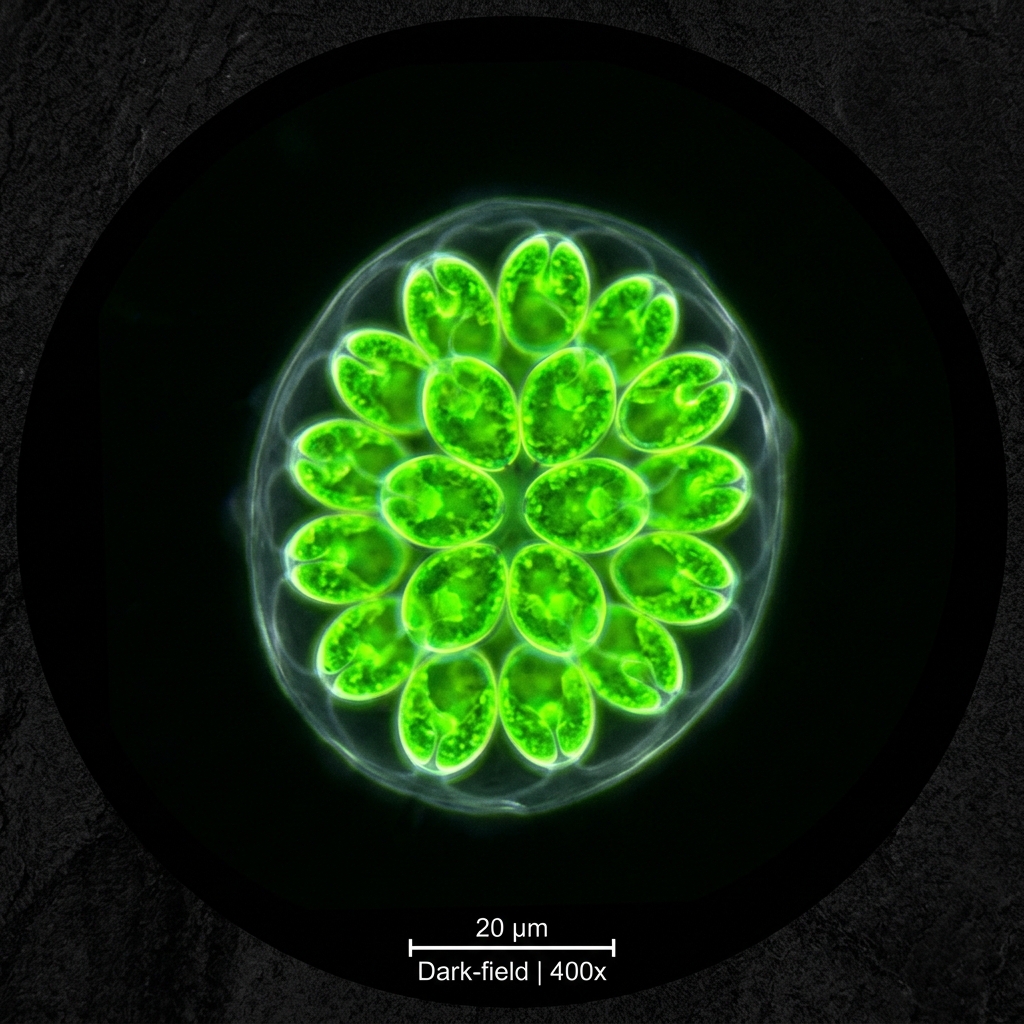
To clearly capture the tardigrade, the ultimate organism hiding in nearby moss, or the beautiful Volvox floating in pond water, selecting the right optical microscope is the very first step.
Even without an expensive research-grade microscope, modern educational microscopes offer excellent optical performance. For a budget of just a few thousand to tens of thousands of yen, you can achieve resolution that rivals professional gear. Here, we introduce the criteria to help you choose without making mistakes.
🔬 The ‘4 Key Optical Specs’ Beginners Should Look For
When choosing a microscope, it is risky to decide based solely on the catalog’s “magnification” spec. By checking the following four points, you can enjoy a clear field of view for a long time.
1. Presence of a Slide Fine-Adjustment System (Mechanical Stage)
Once magnification exceeds 400x, even a slight nudge of your finger will send the organism flying out of the field of view. Instead of moving the slide directly by hand, choose a model that comes with—or allows you to add as an accessory—a “mechanical stage” that lets you precisely shift the field of view millimeter by millimeter by turning X- and Y-axis knobs.
- Reference Price (Adding a stage): Approx. 2,500 to 4,000 JPY (*Prices are approximate guidelines only)
2. Light Source Adjustment Function (LED Transmitted Light)
The “reflector mirror” types found on older microscopes are easily affected by changes in sunlight or room lighting, making exposure unstable when shooting with a smartphone. Be sure to select a model with a built-in “stepless dimmable LED light source” beneath the stage.
- Reference Price (Entry-level microscope set): Approx. 12,000 to 26,000 JPY (*Prices are approximate guidelines only)
3. Digital Eyepiece Camera (USB Connection)
In addition to shooting with a smartphone camera, a USB camera attachment that projects the real-time microscope image directly onto a large computer screen and allows you to save video is also extremely convenient.
- Reference Price (USB camera module): Approx. 4,500 to 12,000 JPY (*Prices are approximate guidelines only)
⚠️ Important Precautions to Avoid Purchase Mistakes
[!CAUTION] Be careful of cheap microscopes (priced in the range of a few thousand JPY) that advertise exaggerated numbers like “Max magnification 2000x!” These often suffer from low-quality optical glass, resulting in “empty magnification” (where the image is enlarged but blurred, hiding details), which leads to eye fatigue during observation and disappointment.
For beginners, selecting an educational/hobby model from a reliable manufacturer (with a budget of mid-10,000s to 20,000s JPY) that features optical glass objective lenses, a maximum magnification of around 400x to 1000x, dimmable bottom LED illumination, and a mechanical stage is the most reliable, standard choice to enjoy micro-observation over the long term.
🔗 Related Articles
- 👉 【Beginner’s Guide】How to Choose a Home Microscope Without Mistakes | Recommended Smartphone-Compatible Models Compared
- 👉 Smartphone Microscopy Textbook | 3 Optical Axis Alignment Hacks to Prevent Vignetting and Shoot High-Quality Images
- 👉 How to Find Tardigrades in Balcony Moss | Complete Home Breeding and Observation Guide
- 👉 【Green Spaceships】How to Culture Volvox and Key Observation Points for Asexual Reproduction | DIY Culture Water