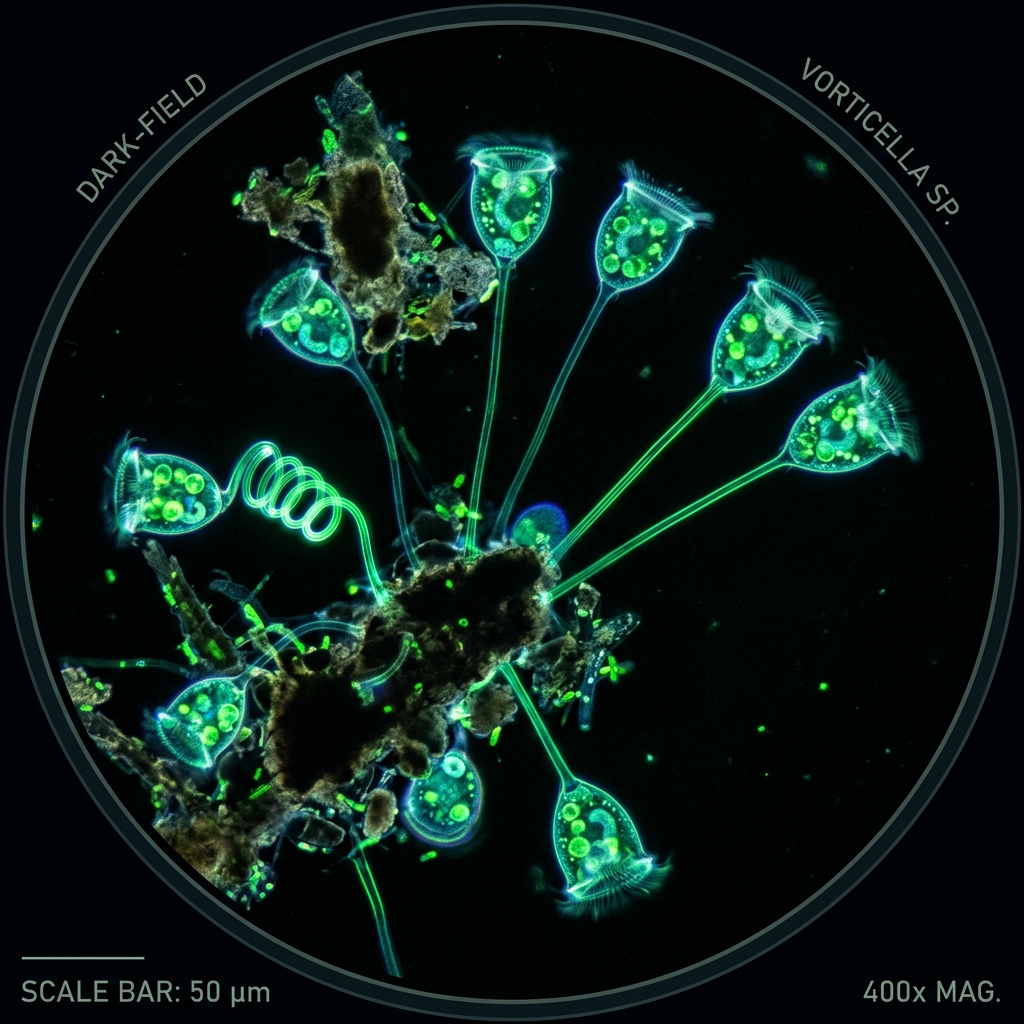
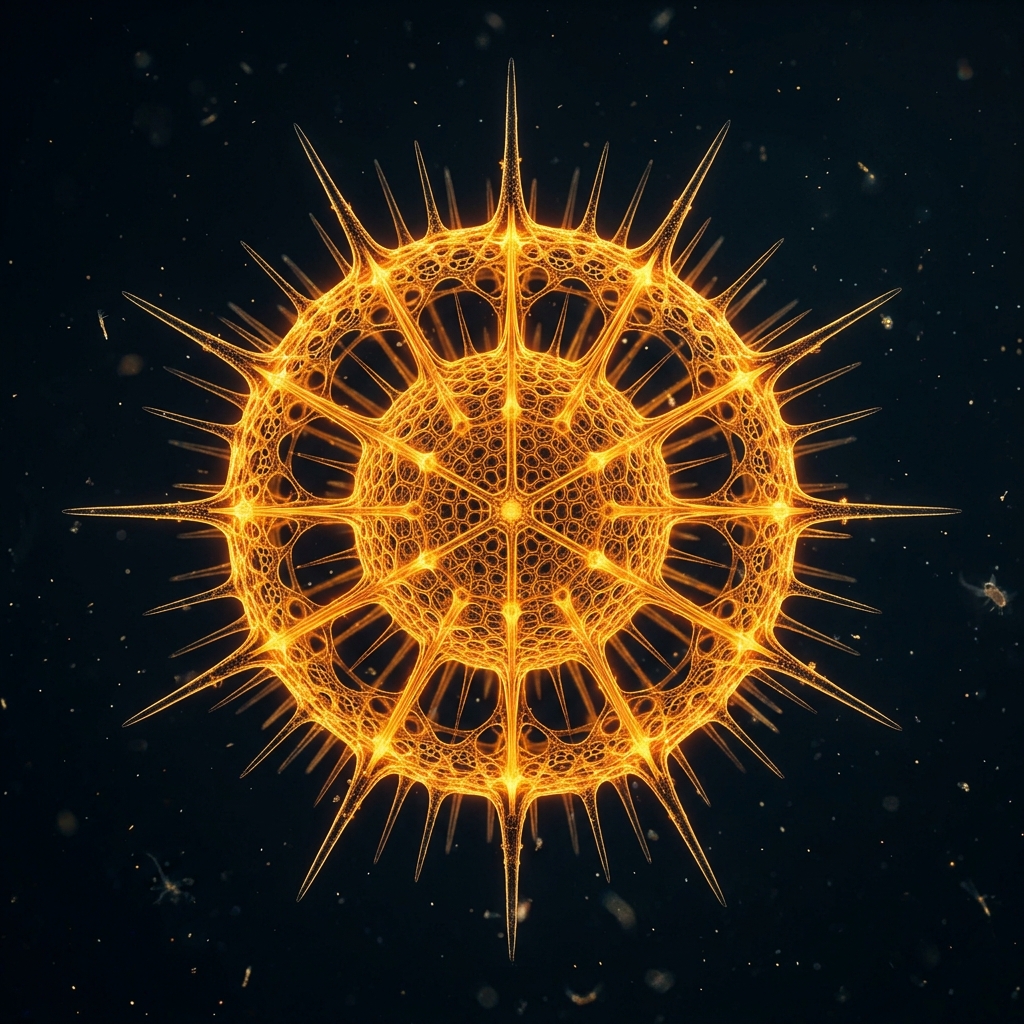
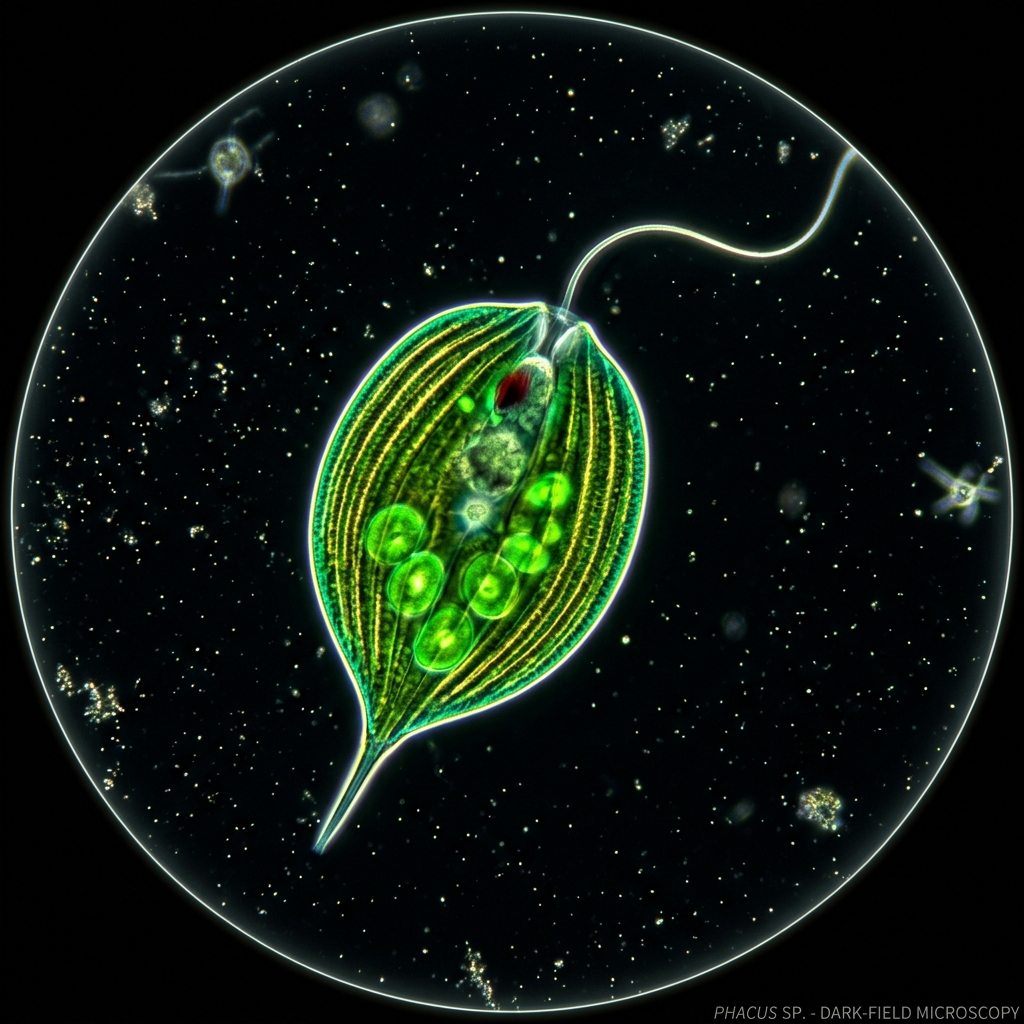
The microscopic world under a microscope is tiny, and as magnification increases, the light level drops, causing the image to darken.
To capture beautiful, sharp photographs, it is not enough to simply have bright light—how and from which angle you apply the light (lighting hacks) is extremely critical. Here, we introduce the specs and selection tips for LED ring lights, a staple in external microscope illumination.
💡 High-Brightness LED Ring Lights: Specs & Selection
While most biological microscopes feature built-in lower light sources (transmitted light), external LED ring lights designed specifically for microscopes are invaluable for “reflected illumination.” This technique illuminates opaque samples (lichens, sand grains, microorganism eggs, etc.) from above to reveal their surfaces and three-dimensional structures.
1. Dimmable USB LED Ring Light with Adjustment Knob
This ring-shaped LED array clamps onto the eyepiece housing or around the objective lens using set screws. It illuminates the sample uniformly from all directions, highlighting details without casting harsh shadows.
- Features: Stepless brightness adjustment, providing uniform white light close to natural sunlight (color temperature 5500K–6500K).
- Estimated Price: Approx. 2,200 to 4,500 JPY (*For reference only)
🛠 Easy DIY Lighting Hacks Using Dollar-Store Materials
By combining an LED ring light with everyday materials, you can replicate specialized microscopy methods typically restricted to expensive research-grade microscopes.
Simulated Darkfield Lighting (Darkfield)
This technique plunges the background into pitch-black darkness, causing transparent microorganisms (such as Paramecia and rotifers) to stand out with glowing outlines as if they were self-luminous.
[!TIP] Simply place a clear acrylic disc with a black circular sticker (approx. 15mm–20mm in diameter, or any light-blocking paper) in the center over the lower light source (under the stage). This blocks direct rays, allowing only oblique light to strike and diffract off the organism, achieving darkfield observation.
Polarized Color Lighting
This hack makes diatoms with silica shells, crystals, and starch grains glow with beautiful iridescent rainbow colors.
- Hack Steps:
- Prepare two sheets of polarizing film (often sold as screen protectors or polarizing filters at dollar stores).
- Place one sheet over the light source under the stage, and insert the other inside the eyepiece phone adapter.
- Look at your phone screen and slowly rotate the polarizing film on the eyepiece until the background turns completely dark (crossed polars state).
- The microstructures, starch grains, or glassy shells in the sample will light up, casting brilliant, colorful interference patterns.
🔗 Related Articles
- 👉 Finding Tardigrades in Balcony Moss: The Ultimate Guide to Rearing and Observation
- 👉 Culturing Volvox: Rearing the Green Spaceship and Observing Asexual Reproduction
- 👉 The Textbook of Smartphone Microscopy: Three Optical Axis Alignment Hacks to Prevent Vignetting and Capture High-Res Images
- 👉 A Beginner’s Guide to Choosing a Home Microscope: Comparison of Recommended Smartphone-Compatible Models