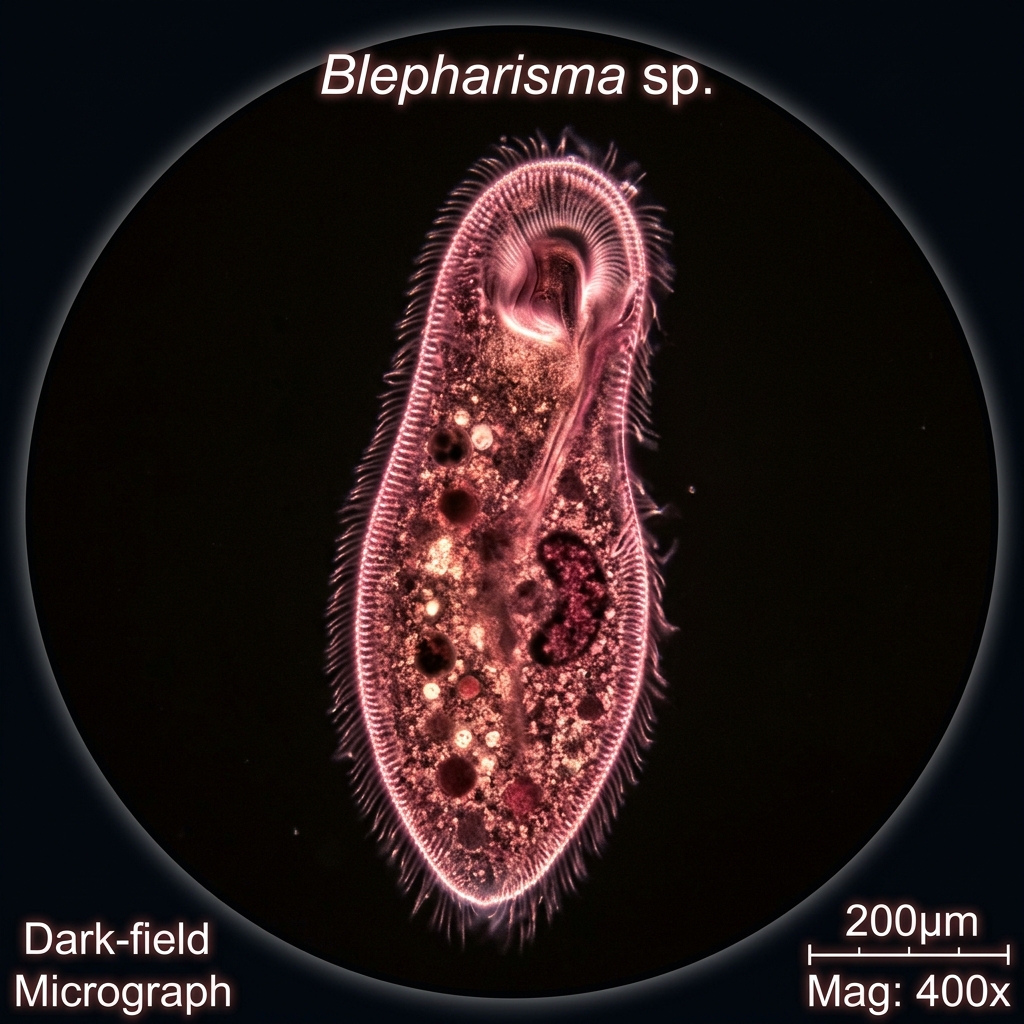
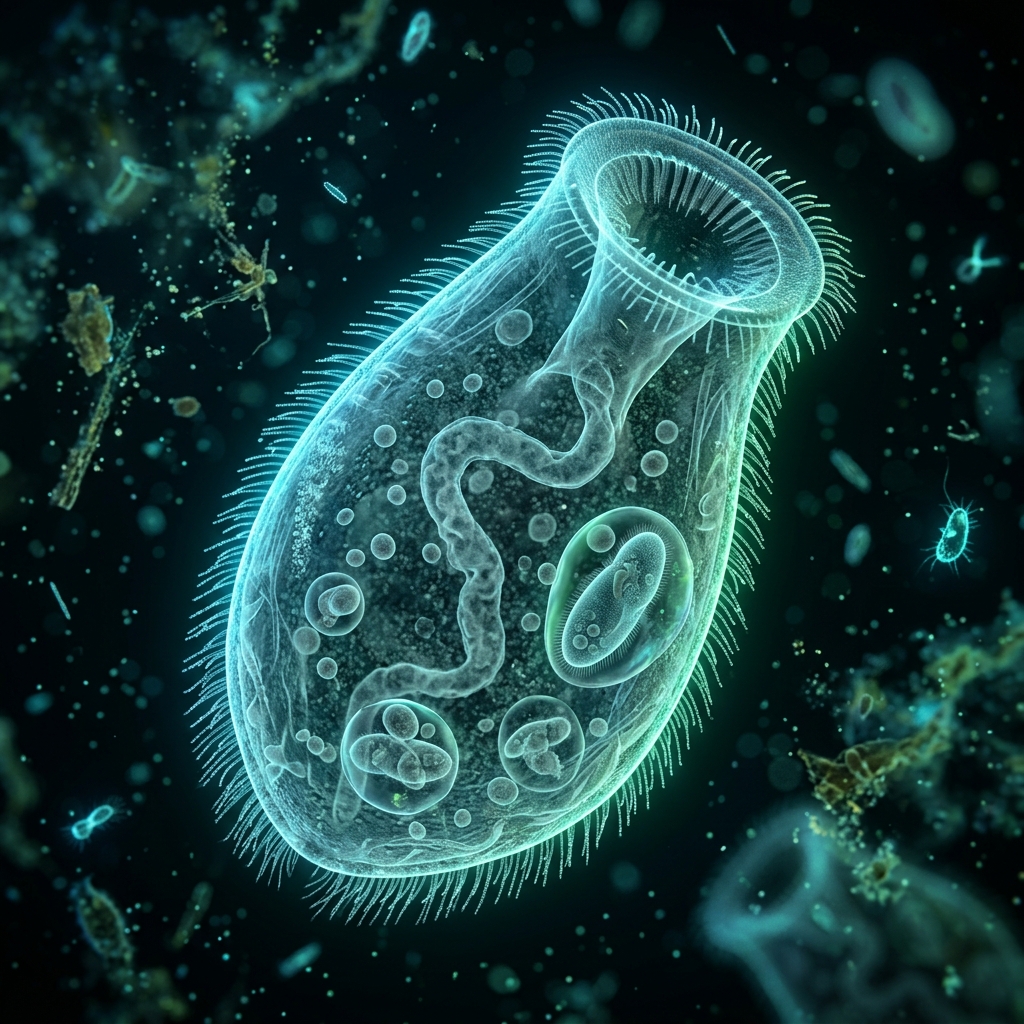
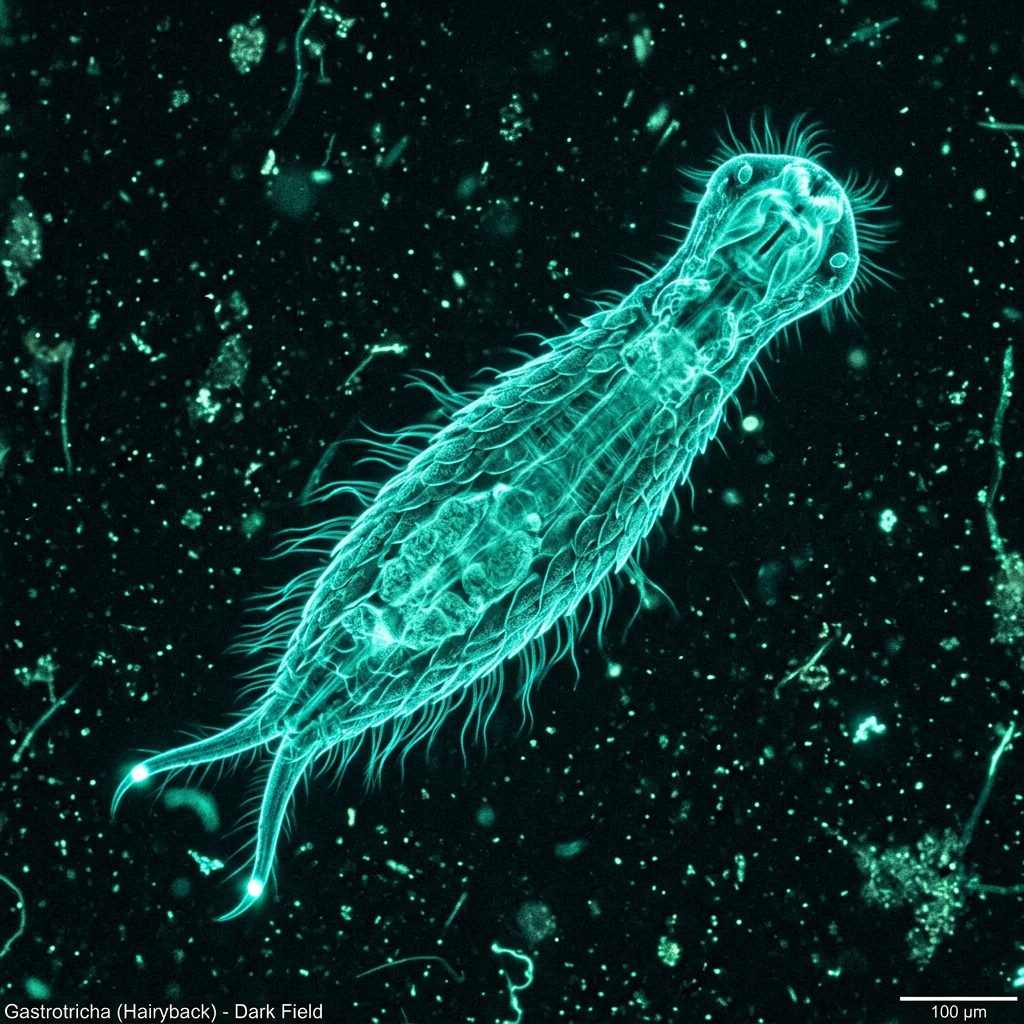
Fascinating microorganisms waiting to be observed under a microscope thrive in natural environments—such as wild moss, park ponds, and damp soil.
Here, we introduce the essential features and selection guidelines for “sampling tools” to capture these organisms efficiently, and “culturing tools” to sustain and multiply them at home without losing them.
Net and Petri Dish Selection & Specs
1. Plankton Net (Mesh Size: 30 μm – 50 μm)
This is an ultra-fine mesh net designed to filter out excess water and concentrate microscopic organisms when scooping from puddles, ponds, or streams.
- Features: Unlike typical insect nets, water passes right through while paramecia, rotifers, and water fleas gather efficiently in the collection cup at the bottom.
- Estimated Price: Approx. 1,900 to 4,200 JPY (*For reference only)
2. Borosilicate Glass Petri Dish Set
Shallow dishes used for dividing, observing, and maintaining collected microorganisms or starter cultures.
- Features: Highly scratch-resistant compared to plastic, allowing crystal-clear observation when illuminated from below. They can be sterilized by boiling and reused indefinitely.
- Estimated Price (Set of 5): Approx. 1,200 to 2,500 JPY (*For reference only)
🎯 “Hack Gear” for Successful Long-Term Home Culturing
If you leave collected water sitting untouched, the water quality will degrade and kill off the microorganisms within a few days. Preparing the following low-cost tools and materials will enable stable maintenance for months or more.
-
Ultra-Fine Silicon Pipette / Dropper: A long silicon pipette with an extremely fine tip. It allows you to isolate and transfer individual water fleas or water bears one by one without injuring them when preparing slides.
- Estimated Price (Set of 3): Approx. 600 to 1,200 JPY (*For reference only)
-
Culture Base Water (Neutral Mineral Water): Chlorinated tap water is highly toxic to microorganisms. Always use dechlorinated water that has sat out, or commercial neutral mineral water with low hardness as your culture base.
[!NOTE] Before starting a culture, sterilize all glass equipment using boiling water to strictly prevent the accidental introduction of unwanted bacteria or green algae. Keeping contamination under control is the key to achieving a population boom.
🔗 Related Articles
- 👉 Finding Tardigrades in Balcony Moss: The Ultimate Guide to Rearing and Observation
- 👉 Culturing Volvox: Rearing the Green Spaceship and Observing Asexual Reproduction
- 👉 Microscope Selection Guide for Beginners: How to Choose Without Failing & Recommended Models for Smartphone Photography
- 👉 The Textbook of Smartphone Microscopy: Three Optical Axis Alignment Hacks to Prevent Vignetting and Capture High-Res Images