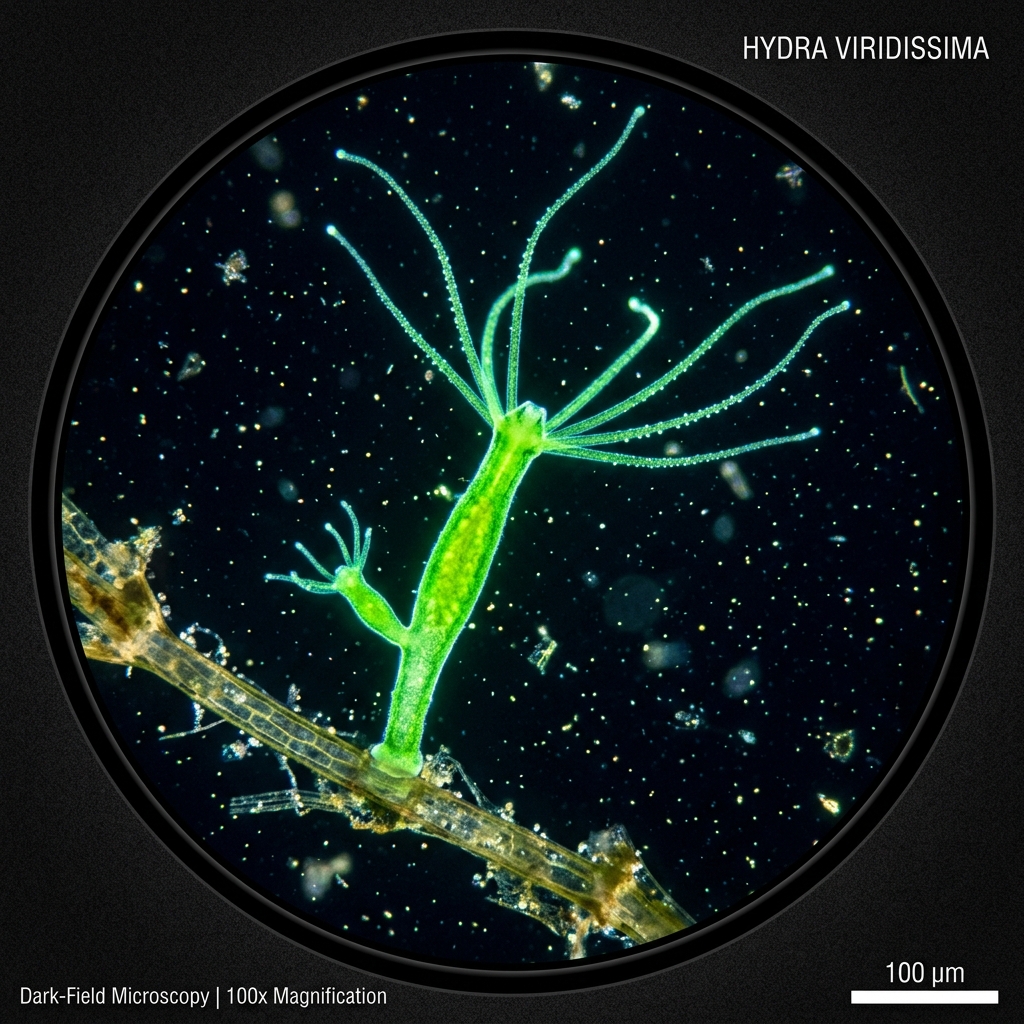
 Figure 1: Conceptual close-up of the observed microorganism (*Image is for illustrative purposes only).
[!NOTE] *All microorganism images used in this article are 3D CG conceptual images.
Hydra are freshwater cnidarians related to marine sea anemones. They shoot tiny stinging threads (nematocysts) from “cnidocytes” on their tentacles to paralyze prey and swallow it whole.
Collecting and Rearing Hydra
- Put pond water plants into a glass jar, fill it with water, and let it stand for a day.
- Find the translucent creatures extending their tentacles attached to the jar wall or plant leaves. Gently peel them off with tweezers and transfer them to a new rearing container.
- Introduce a few live Daphnia magna into the container. You can observe the dynamic predation as they entangle and swallow Daphnia caught by their tentacles.
Furthermore, in a nutrient-rich environment, you can observe under the microscope the process of “budding,” where a tiny new Hydra bud grows out of the parent’s body and detaches as a clone.